Friday, October 19, 2018


Cedar Waxwings
Bombycilla cedrorum

A flock of Cedar Waxwings welcomed us as we moved into our new home. As the moving trucks moved our boxes into our home, I took a break with my camera and watched these beautiful birds. It was a sight to behold.
Cedar Waxwings are gorgeous birds. Their feathers are gray-brown and their tail has a yellow ring around it. The crown of their head stands straight up. They are a good size bird as they have a wingspan of up to 11.8 inches! And do they ever fly fast! They can go 25 mph.

Have you watched Cedar Waxwings as they sit on branches and eat berries? They love the sugary fruit most of all. Otherwise, they do eat insects. Sometimes they catch them midair.


When you see a flock, you will hear that they "talk" to each other the whole time they are together. They enjoy being with other Cedar Waxwings.

There is so much more I could teach you about Cedar Waxwings. If you're interested, there is more for you to find out.


When you're outside and see the beautiful birds, take a moment or two to take in their beauty, enjoy their feeding and fly off. They are such fun to see!

Each of the above prints are available for purchase.


Thank you for visiting.

Judy


References:
 

Kaufman, K. (1996). Lives of North American Birds.


National Geographic Reference Atlas to the Birds of North America. 


https://www.birdorable.com/blog/cool-facts-about-cedar-waxwings/


http://www.softschools.com/facts/animals/cedar_waxwing_facts/1802/


Sunday, October 14, 2018


Anemone


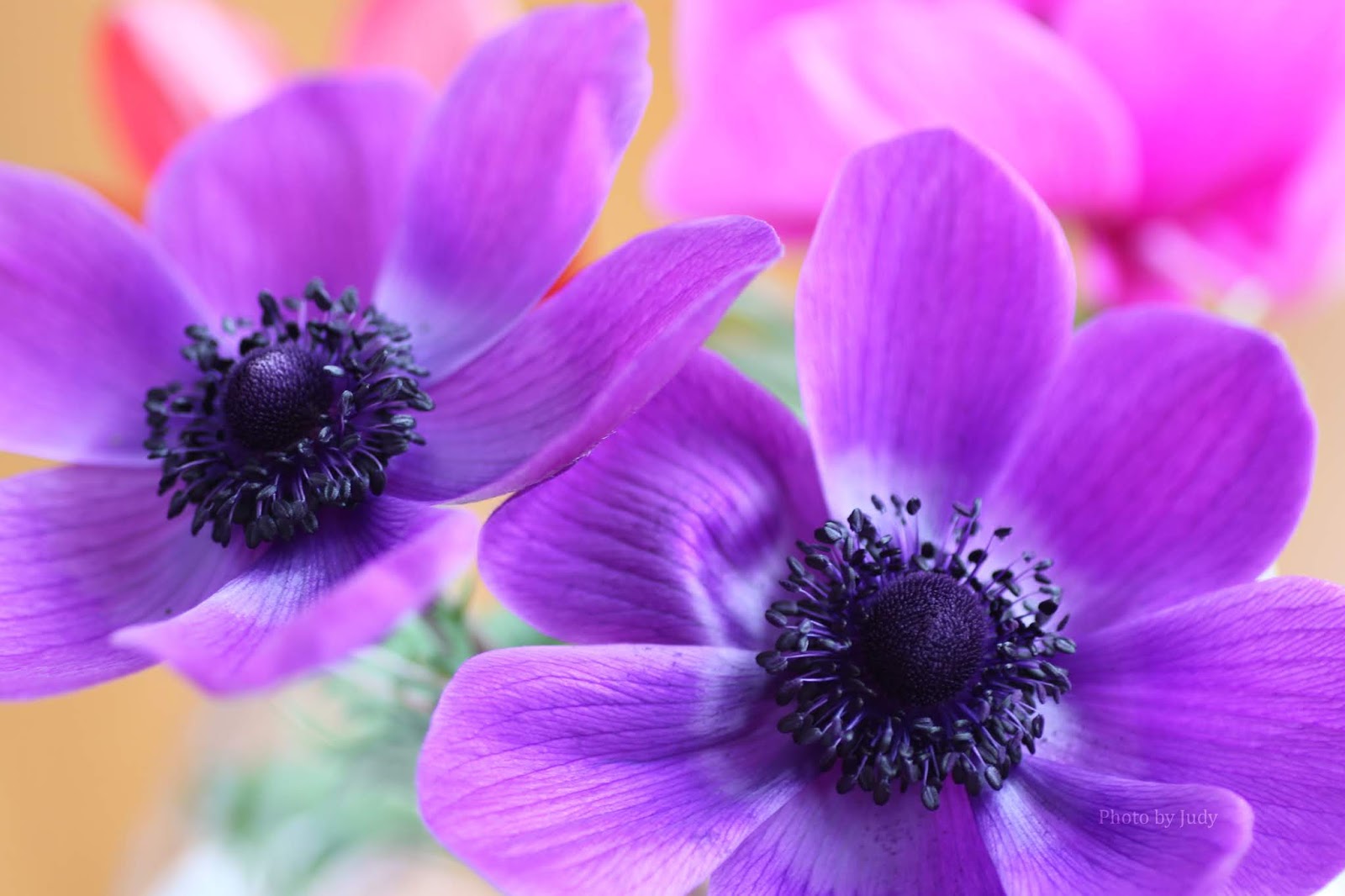
Anemone's are beautiful. I'll never forget the first time I saw one. I was working in an office when a coworker received a bouquet of flowers. A few anemone were in the bouquet. That started my desire to have them. Since the bouquet was delivered by a florist, I went to that florist and, years on end, picked up a few anemone. 

They are wildflowers. They have long stems but I always cut them down so that I could see the beautiful flowers.  The anemone is called a windflower. It truly blows in the wind.


They come in a variety of colors. I remember getting them in reds, purples, pinks and whites. Sometimes they were mixed colors. Other times, they were solids. No matter what, they were beautiful. They still are. A special flower. A beauty.

So what does the anemone flower symbolize? It has a variety of meanings. I knew it made me happy but I didn't realize that it brought good wishes when I was ill. That was one of its meanings. Another meaning is that it brings happiness to your future. Other meanings are not quite as nice and I prefer not to go there. It's part of nature to have different sides.

"The anemone flower's message is: Look forward to the future. Something new is always around the corner, no matter how dark things might look right now." (www.flowermeaning.com/anemone-flower-meaning/)

Is it time for you to go look at the anemone at your local florist? Once you look, you'll smile.

Each of the above prints are available for purchase.

Thank you for visiting!

Judy


References:

Wells, D. (1997). 100 Flowers and How They Got Their Names
https://www.ftd.com/blog/share/anemone-meaning-and-symbolism
http://www.flowermeaning.com/anemone-flower-meaning/
http://flowerinfo.org/anemone-flowers


Friday, October 12, 2018


What is snow and why does it crunch when you walk on it?


Snow is a form of precipitation that we have in the colder climates. It's made up of crystals that fall from the clouds. So, where do they become snowflakes and why do we have snow? It's all in the clouds. It takes the right temperature, the right amount of water vapor, and a piece of the dirt that is inside the cloud to make a snowflake. Each snowflake is made up of up to thousands of ice crystals. Wow, right? 

Did you know that snowflakes are six sided? They may not be exactly the same but they all have six sides. Snowflakes come down in different shapes and may attach to another snow crystal as it falls. 

So why do we hear a crunching sound when we walk on the snow? It's all in the air that is inside the snowflake. When we walk, we press down on the snowflake which causes the air to move and make the sound we hear. I find it fun to walk on snow and listen to the sounds of the snow.


Most snowflakes are less than 0.5 inches across. If weather conditions are unsteady, snowflakes can grow up to 2 inches across. The snowflakes I have seen have been very small. They are such fun to see. When the snowfall is light and fluffy, you can see the snowflakes sitting on top. Have you noticed them? 

And why they crunch.....

Soundwaves are moved by the snow. With the snow sitting on the ground, it is covering up the land causing the soundwaves to make a sound. They sound different when the weather changes. Walking on the snow and hearing the crunch is a favorite thing to do for me. It's the sound of winter. Walking in a winter wonderland where all you see is snow, is a magical time of year. The air is crisp, and, if you're lucky, the sun will be out so the snow glistens.

So, when the snow comes down, take the time to really see and hear it.

Each of the above prints are available for purchase.


Thanks for visiting!

Judy


References:

Cassino, M. & Nelson, J. (2009). The Story of Snow: The Science Writer's Wonder.

Marsico, K. (2007). Snowy Weather Days. Scholastic Inc.

https://nsidc.org/cryosphere/snow/science/weather.html

https://scied.ucar.edu/shortcontent/snowflakes

https://scied.ucar.edu/longcontent/snow-white-maybe-or-maybe-not


Monday, October 8, 2018


Why Leaves Fall


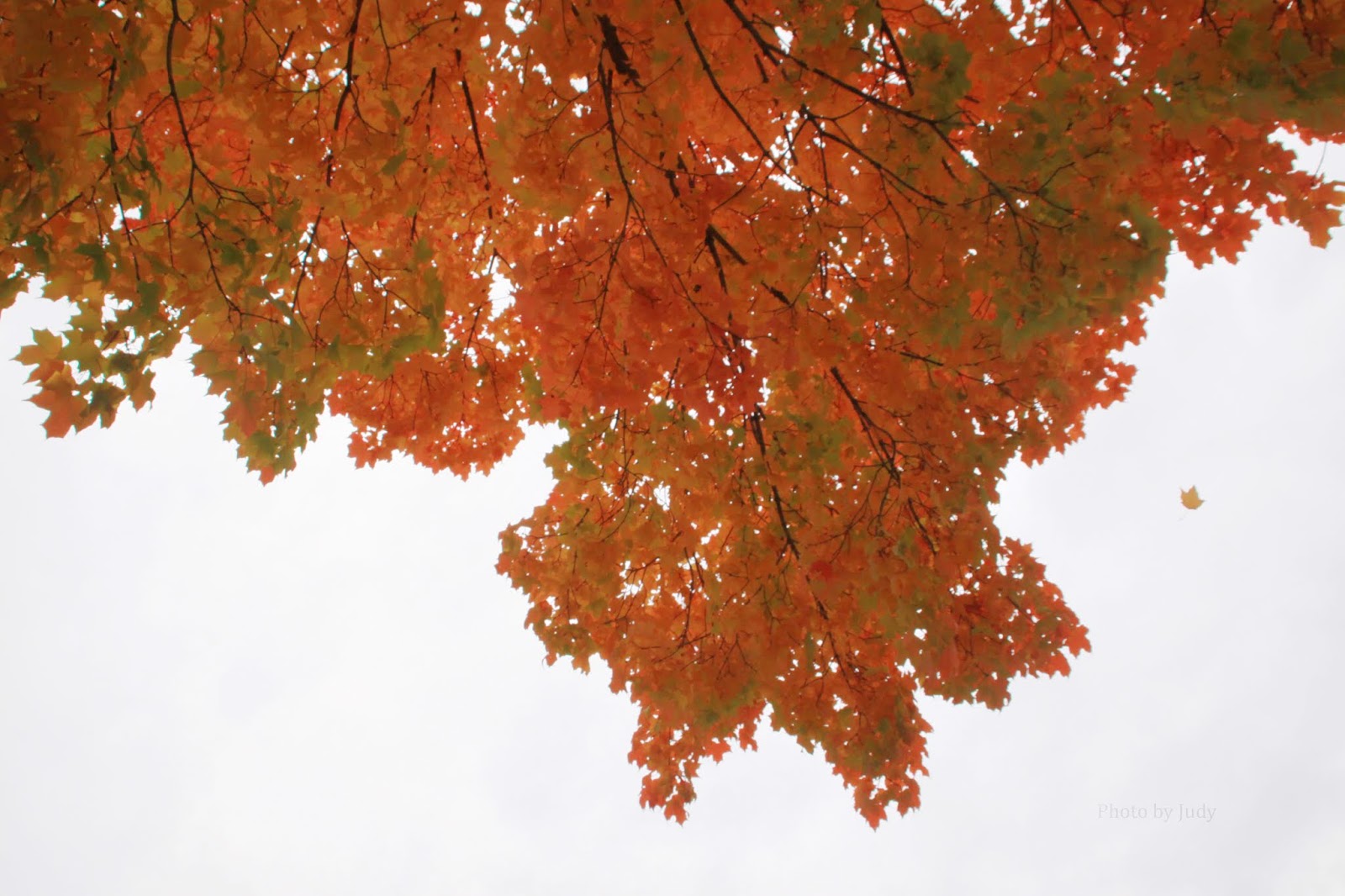
Beautiful trees surround us year round. In spring, we love seeing the light green leaves sprout and then the flowers bloom on the crab apples. The beautiful flowers fall off (generally within days of blooming) due to strong winds. Most other trees aren't as dramatic. Their new leaves sprout and decorate the tree and, as the days go by, the color darkens. It's in fall when the weather gets cooler and the daylight is shortened that causes the green pigment to lose its color and thus show us the beautiful oranges, yellows and other colors that make the trees look gorgeous in fall.

If the leaves stayed on the branches, they wouldn't survive the winter. They aren't hardy. As you can see on a lot of trees these days, there are a lot of holes in the leaves as well as browning. This is from insects and reactions to the amount of rain we get.

By falling off the branches, they help grow new leaves in spring. That's the answer in a nutshell.


A new carpet of color decorates our world for a few weeks each fall. It's fun to go around and see the ground under the various types of trees. When young, it's fun to rake the leaves into a big pile and jump in them. It's also fun to collect leaves, press them and enjoy them in their true color.

What do you enjoy about the leaves falling?

Each of the above prints are available for purchase.


Thank you for visiting.

Judy


Reference:

https://www.childrensmuseum.org/blog/why-do-leaves-fall-off-trees

https://www.britannica.com/story/why-do-leaves-fall-in-autumn


Sunday, October 7, 2018


Great Gray Owl
(Strix nebulosa)


A few years back, the front page of the newspaper showed a picture of this great gray owl. It was visiting a small town nearby. We couldn't help but go see it! How exciting! An owl!

Owls have always been special to me. I had only seen a few owls until that day. The day we saw this great gray owl it was cold but sunny. It was sitting on this tree next to the post office. As you can imagine, there were a number of people there to see it. As usual, we gave it space so that we didn't scare it away. With my long lens on my camera, I took several photos of this beauty.

The great gray owl is largest owl of all. It's wingspan is between 54 and 60 inches. Did you know it doesn't have ear tufts? It's true. Although its legs are weak, they are able to kill prey much heavier than it like the raccoon or jackrabbit. They also eat smaller mammals. Believe it or not, their nose is so powerful that they can smell animals under snow. 


Watching this beauty was so much fun. I enjoyed seeing how he moved his  head, focused on the sun and always kept a close eye on all of us standing close by. 


The great gray's face is the largest of any bird. Look at how the feathers surround the eyes, beak, mouth and cheeks. It looks like two half circles together to me. Love the colors and patterns of this bird. 

The great gray owl was named after its colors. They can live up to 27 years. 

Talking walks and seeing birds generally means you hear them sing or make other noises. The great gray owl does not make a sound unless it is mating. 

So, a beautiful bird on a beautiful day. So many of us stood and watched in wonder. It sat on the tree long after we all left. It wasn't hungry yet.

Thank you for visiting!


Judy


References:

Dunn, JL & Adlerfer, J. National Geographic Field Guide to the Birds of North America. 6th edition.

Kaufman, K. 1996. Lives of North American Birds.

https://birdsna.org/Species-Account/bna/species/grgowl/introductionference:

https://www.audubon.org/field-guide/bird/great-gray-owl

www.arkive.org/great-grey-owl/strix-nebulosa/

http://www.owling.com/great-gray-owl-biology/

https://www.owlworlds.com/great-gray-owl/


Friday, October 5, 2018


Why Leaves Change Color in Fall


For those of us who live where leaves change color, fall is a beautiful time of year. Yes, some years are better than others. No matter what, the magic of seeing leaves change color is inspiring.   

The above photo is of a Korean Maple Tree taken at our local arboretum. What a glorious tree! I had never seen a more beautiful tree. The leaves were all the colors of the rainbow. Have you seen one?

Did you know that the leaves you see in spring and summer are actually beautiful colors on the inside? We can't see the colors because the color green covers it up. The green pigment is chlorophyll.  There are three pigments necessary for leaves to feed the leaves. They are: carotene, anthocyanin and chlorophyll.

For the leaves to stay green in spring and summer, they must have the right ingredients. They need lots of sunlight, water and air. As the fall temperatures lower and there is less daylight, food for the leaves is cut off and the green we see breaks down. This is how the process of color change happens. Of course, there is more to learn about how this happens. I am just opening your eyes to a few facts.


This beautiful tree was at a local golf course a few years ago. It was the trunk as well as the colors of the leaves that made me stop the car and get out. What a beauty!

With our lives so busy, it's important to stop and enjoy the beauty around us.


Yes, fall is truly a favorite season because of the colors of the leaves.

What do you think about the colors of fall?

Thank you for visiting!

Judy


Reference:

https://www.britannica.com/story/why-do-leaves-change-colors-in-the-fall

https://askabiologist.asu.edu/questions/why-do-leaves-change-color

University of Wisconsin-Madison. (2007, October 16). Why Do Leaves Change Color In The Fall?. ScienceDaily. Retrieved September 29, 2018 from www.sciencedaily.com/releases/2007/10/071012104737.htm

http://earthsky.org/earth/why-do-tree-leaves-turn-red-in-fall


 🍂